



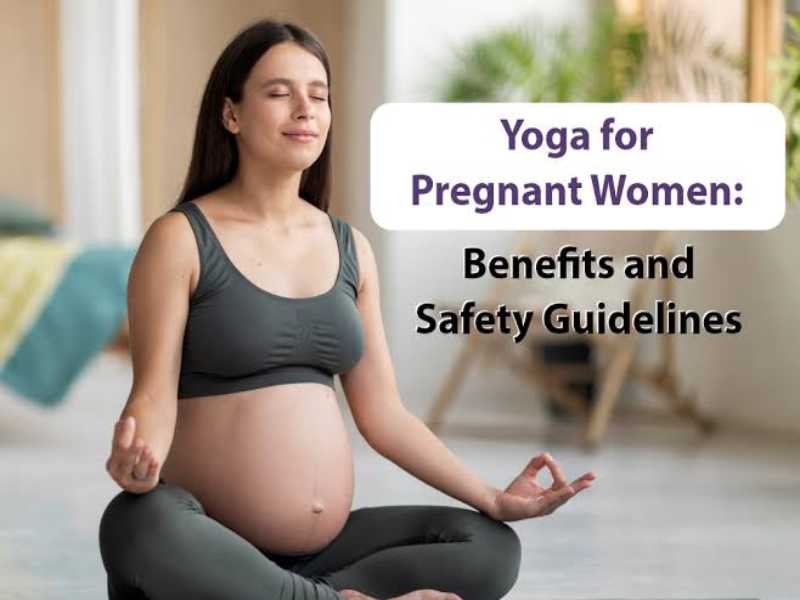

Pregnancy is a special phase of life that brings significant physical, hormonal, and emotional changes. During these months, a woman’s body gradually adapts to support the development of her baby. Although this journey can be rewarding, it may also involve back pain, tiredness, digestive discomfort, sleep difficulties, and emotional stress.
Yoga is a gentle physical and relaxation practice that may help expectant mothers maintain flexibility, improve body awareness, and manage everyday pregnancy discomforts. When performed with appropriate modifications and medical guidance, prenatal yoga can support the physical and emotional well-being of both mother and baby.
Why Is Yoga Beneficial During Pregnancy?
Prenatal yoga combines gentle movements, controlled breathing, stretching, and relaxation techniques. Unlike intense exercise routines, pregnancy-specific yoga focuses on comfortable movements that accommodate the body’s changing needs.
Here are five potential benefits of practising yoga during pregnancy.
1. Improves Flexibility and Physical Comfort
As pregnancy progresses, additional body weight and changes in posture can place pressure on the back, hips, and legs. Gentle yoga movements may help maintain flexibility and reduce muscular tension.
Regular prenatal yoga can also encourage better posture, body awareness, and comfortable movement. Simple stretching exercises may help pregnant women remain physically active without placing unnecessary pressure on their bodies.
Improved circulation through gentle physical activity may also support general physical comfort and well-being.
2. Helps Manage Common Pregnancy Discomforts
Many women experience backaches, constipation, mild muscle cramps, and digestive discomfort during pregnancy.
Certain modified yoga postures may help relax tense muscles and support gentle movement of the body.
Two commonly practised prenatal yoga poses include:
- Butterfly Pose (Baddha Konasana): This seated posture gently stretches the inner thighs and hips. It may help improve flexibility around the pelvic region.
- Cat-Cow Pose (Marjaryasana-Bitilasana): This gentle movement involves alternating between arching and rounding the back. It may help relieve back tension and improve spinal mobility.
These exercises should always be modified according to the stage of pregnancy and individual comfort. Yoga should not be used as a substitute for medical treatment for persistent nausea, severe cramps, or constipation.
3. Reduces Stress and Encourages Emotional Balance
Pregnancy can bring emotional changes due to hormonal fluctuations, physical discomfort, and concerns about childbirth and parenting.
Yoga incorporates breathing exercises, meditation, and relaxation techniques that may help reduce everyday stress and encourage emotional balance.
Slow, comfortable breathing can help expectant mothers become more aware of their bodies and develop relaxation skills. These techniques may also be useful during labour, when controlled breathing and relaxation can help manage tension.
A peaceful environment, adequate sleep, and emotional support from family members can further contribute to a positive pregnancy experience.
4. Supports Preparation for Labour and Childbirth
Prenatal yoga can help women become more familiar with their breathing patterns, posture, and physical sensations.
Gentle movements and breathing exercises may encourage relaxation and improve confidence as childbirth approaches.
Practising controlled breathing can help women remain focused during physically demanding situations, including labour.
However, yoga does not guarantee an easier delivery or prevent childbirth complications. Every pregnancy and birth experience is different, and medical guidance remains important throughout the process.
5. May Support Postpartum Recovery
After childbirth, the body needs sufficient time to recover. Postnatal yoga, when introduced at the appropriate stage, may help gradually restore flexibility, improve posture, and rebuild muscular strength.
Gentle exercises can also support relaxation and general physical well-being during the transition to motherhood.
Some commonly used yoga postures include modified Warrior Pose, Triangle Pose, and Legs-Up-the-Wall Pose. However, these exercises are not suitable for everyone immediately after delivery.
Postpartum exercise should begin only after receiving appropriate medical clearance, particularly following a caesarean delivery or childbirth complications.
Important Safety Tips for Practising Yoga During Pregnancy
Although prenatal yoga is generally suitable for many healthy pregnancies, certain precautions are important.
- Consult your obstetrician before beginning a new exercise programme.
- Choose a qualified prenatal yoga instructor.
- Avoid hot yoga, particularly during pregnancy.
- Stay away from deep twists, intense abdominal exercises, and uncomfortable stretches.
- Avoid positions that create pressure on the abdomen.
- Drink sufficient water and avoid overheating.
- Stop exercising if you experience dizziness, bleeding, pain, breathlessness, or unusual discomfort.
Women with high-risk pregnancies or specific medical complications may require individual exercise restrictions.
Final Thoughts
Yoga can be a valuable addition to a healthy pregnancy routine. Its gentle movements, breathing techniques, and relaxation practices may help improve flexibility, manage everyday discomfort, reduce stress, and prepare women mentally and physically for childbirth.
The most important consideration is to practise safely and choose exercises appropriate for each stage of pregnancy. Combine gentle physical activity with nutritious food, fresh fruits, green vegetables, adequate hydration, and sufficient rest.
Always consult your healthcare professional before starting prenatal yoga or making significant changes to your exercise routine. With suitable guidance, yoga may become a supportive part of a healthy and comfortable pregnancy journey.
About Hashmi Dawakhana
Hashmi Dawakhana is located at Qazi Zada Street, Amroha–244221, Uttar Pradesh, India. It provides care for a range of men’s and women’s health concerns, including sexual and reproductive health, diabetes, general health, and immunity-related issues. Special care is provided for concerns such as premature ejaculation, difficulty with erection, sexual weakness, reduced libido, women’s intimate health problems, and difficulties related to conception.
Patients who have not experienced relief even after seeking treatment from several places can visit Hashmi Dawakhana for better guidance and treatment. You can visit the clinic to obtain medicines or take advantage of the facility to order medicines online from home. Ayurvedic and Unani medicines are available and are prepared with good quality standards and scientific methods.
Health Consultation:
Looking for trusted health guidance? Call or WhatsApp at this number +91-9058577992 today for a FREE consultation with our health doctors. Your privacy, dignity, and well-being are our priority.