





Not every health condition announces itself with obvious warning signs. While some illnesses cause pain, discomfort, or noticeable changes, others can quietly develop for months—or even years—without making a person feel unwell. During this silent period, damage may already be occurring inside the body, often going unnoticed until the condition becomes more serious.
This is why many people are surprised when a routine health check reveals a medical issue they never suspected. Understanding which health problems commonly show few or no early symptoms can help individuals take a more proactive approach to their well-being and seek timely medical advice when needed.
Why Some Health Conditions Remain Silent
The human body is remarkably adaptable. In many cases, it can compensate for underlying problems for a long time before symptoms become noticeable. Some conditions progress slowly, while others affect internal organs in ways that do not immediately cause pain or discomfort.
As a result, a person may appear healthy and feel completely normal despite an underlying health concern.
High Blood Pressure
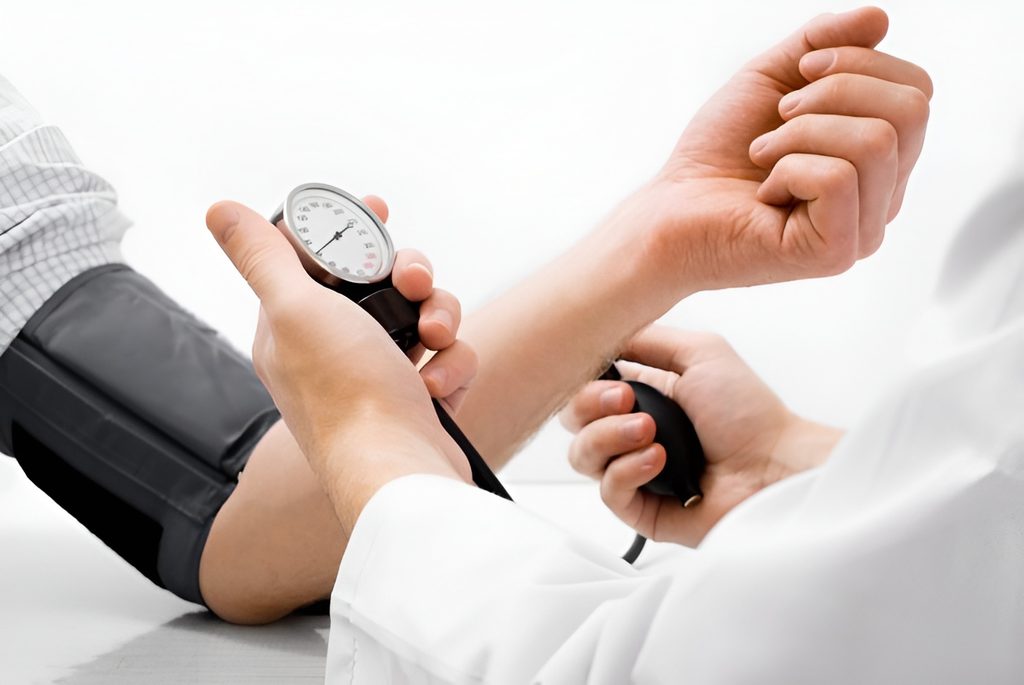
High blood pressure is often called a “silent condition” because many people experience no symptoms in its early stages. Despite the lack of warning signs, elevated blood pressure can gradually damage blood vessels and increase the risk of heart disease, stroke, and kidney problems.
Many individuals only discover they have high blood pressure during a routine medical examination.
High Cholesterol
High cholesterol rarely causes noticeable symptoms. Over time, excess cholesterol can contribute to the buildup of plaque inside the arteries, reducing blood flow and increasing the risk of cardiovascular complications.
Because symptoms are often absent until a serious event occurs, regular health screenings play an important role in early detection.
Type 2 Diabetes
Type 2 diabetes can develop gradually, and early symptoms are sometimes mild enough to be overlooked. Some people may experience increased thirst, frequent urination, or fatigue, while others may notice little to no change in their daily lives.
Without proper management, diabetes can affect the heart, kidneys, eyes, and nerves.
Fatty Liver Disease
Fatty liver disease is becoming increasingly common worldwide. In its early stages, it often causes no symptoms at all. Many people discover they have the condition only after undergoing imaging tests or routine health evaluations for unrelated reasons.
Lifestyle factors such as obesity, poor dietary habits, and physical inactivity can contribute to its development.
Osteoporosis
Osteoporosis weakens bones and makes them more vulnerable to fractures. However, the condition typically progresses silently for years. Most people do not realize they have osteoporosis until they experience a bone fracture after a minor fall or injury.
Maintaining bone health through proper nutrition and lifestyle habits is important throughout adulthood.
Chronic Kidney Disease
The kidneys can lose a significant amount of function before symptoms become apparent. Early-stage kidney disease may not cause noticeable discomfort, making it difficult to detect without medical testing.
As the condition advances, symptoms such as swelling, fatigue, and changes in urination may begin to appear.
Glaucoma
Glaucoma is an eye condition that can gradually damage the optic nerve. In many cases, vision loss occurs slowly and painlessly, making it difficult for individuals to recognize the problem in its early stages.
Regular eye examinations can help identify glaucoma before significant vision damage occurs.
Sleep Apnea
Many people with sleep apnea are unaware that they have it. The condition causes repeated interruptions in breathing during sleep, but the affected individual may not remember these episodes.
Common clues may include loud snoring, daytime fatigue, morning headaches, or poor concentration, but some people remain undiagnosed for years.
Early-Stage Heart Disease
Heart disease does not always begin with chest pain. In some individuals, the condition develops silently, with few or no noticeable symptoms during its early stages.
Risk factors such as smoking, obesity, diabetes, high blood pressure, and high cholesterol can increase the likelihood of cardiovascular problems.
Why Regular Health Checkups Matter
Because many serious health conditions can develop without obvious symptoms, routine health screenings are an important part of preventive healthcare. Regular checkups can help identify potential concerns before complications occur.
Common evaluations may include:
- Blood pressure monitoring
- Blood sugar testing
- Cholesterol screening
- Kidney function tests
- Eye examinations
- Bone health assessments
Early detection often provides more treatment options and may help prevent long-term health complications.
Simple Steps to Protect Your Health
Although not all health conditions can be prevented, certain habits may help reduce health risks:
- Eat a balanced and nutritious diet
- Stay physically active
- Maintain a healthy weight
- Avoid smoking and excessive alcohol consumption
- Get adequate sleep
- Manage stress effectively
- Attend routine medical checkups
Small lifestyle choices made consistently over time can have a significant impact on long-term health.
Conclusion
Some of the most serious health conditions are also among the quietest. High blood pressure, high cholesterol, diabetes, kidney disease, osteoporosis, glaucoma, and fatty liver disease may develop without obvious warning signs, allowing them to progress unnoticed. Understanding these silent health problems highlights the importance of regular health screenings and proactive healthcare. Paying attention to preventive care today often helps protect your health for years to come.