



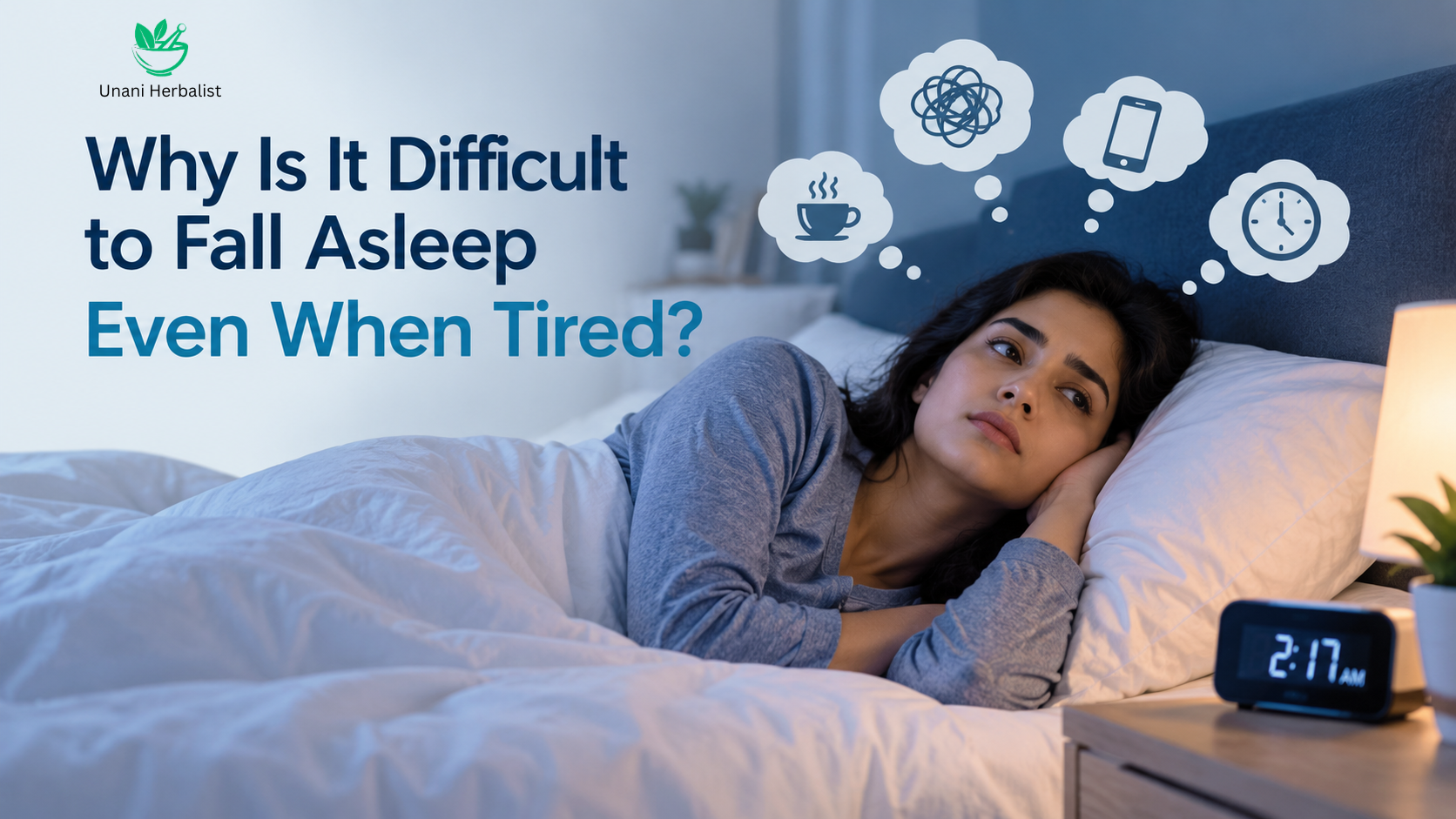

Do you feel exhausted at night but still struggle to fall asleep? You may yawn repeatedly, lie in bed for hours, or feel physically drained while your mind refuses to switch off. This frustrating experience is common and can be linked to stress, sleep habits, or your body’s internal clock. Understanding why you feel tired but cannot sleep can help you identify what may be disrupting your rest.
Why Can’t You Fall Asleep Even When You’re Tired?
1. Stress and Overthinking
Your body may feel ready for sleep while your mind remains active. Worrying about work, relationships, finances, or tomorrow’s responsibilities can make it harder to relax. Stress and anxiety are common contributors to insomnia, according to the National Health Service.
2. An Irregular Sleep Schedule
Going to bed at different times, sleeping late on weekends, or taking long daytime naps can disturb your sleep-wake rhythm. Your circadian rhythm helps regulate when you feel alert and sleepy, so an inconsistent routine can make falling asleep more difficult. The National Heart, Lung, and Blood Institute (NHLBI)
3. Too Much Screen Time Before Bed
Scrolling through your phone or watching videos late at night can keep you mentally stimulated. Light from electronic devices can also interfere with the body’s natural evening sleep signals, particularly when exposure is bright or prolonged. The Centers for Disease Control and Prevention (CDC)
4. Caffeine and Other Stimulants
Coffee, tea, energy drinks, and some medications can make falling asleep difficult even when you feel physically exhausted. Caffeine can remain in your system for hours, so consuming it late in the day may affect your sleep. The U.S. Food and Drug Administration (FDA)
5. Your Body Is Tired, but Your Body Clock Isn’t Ready
Feeling physically exhausted does not always mean your brain is ready for sleep. If your internal clock is delayed, you may naturally feel sleepy much later than your preferred bedtime. This can happen with irregular schedules or delayed sleep-wake patterns.
How Can You Fall Asleep More Easily?
A few consistent habits may improve sleep:
- Maintain a regular schedule: Wake up at almost the same time every day.
- Reduce evening stimulation: Put away bright screens before bedtime and choose a relaxing activity.
- Limit late caffeine: Avoid coffee and other caffeinated drinks in the afternoon and evening.
- Create a comfortable bedroom: Keep your room dark, quiet, and comfortably cool.
- Avoid forcing sleep: If you remain awake and frustrated, get up briefly and do something quiet in dim light. Return to bed when you feel sleepy.
Consistent sleep routines and a relaxing environment are recommended in the CDC’s sleep guidance.
When Should You See a Doctor?
If difficulty falling asleep continues for months, regularly affects your daytime functioning, or occurs alongside loud snoring, gasping during sleep, or significant anxiety, consult a healthcare professional. Persistent insomnia may require assessment and evidence-based treatment, such as cognitive behavioral therapy for insomnia. The National Heart, Lung, and Blood Institute (NHLBI)
You can also consider a free confidential 1-on-1 health consultation with our healthcare professional to discuss your sleep concerns and understand the appropriate next steps.
Frequently Asked Questions
1. Why am I sleepy but unable to fall asleep?
Stress, caffeine, irregular sleep schedules, and a delayed body clock can make falling asleep difficult despite tiredness.
2. Is it normal to take a long time to fall asleep?
Occasional difficulty is common. Frequent or persistent problems that affect daily life deserve attention.
3. Can overthinking prevent sleep?
Yes. Worry and mental stimulation can make it harder to relax and transition into sleep.
4. Does using a phone at night affect sleep?
It can. Bright light and stimulating content may delay sleepiness and interfere with a consistent bedtime routine.
The takeaway: Feeling tired but unable to sleep does not always mean you need more rest; your sleep schedule, stress levels, and daily habits also matter. Identify the pattern, make consistent changes, and seek medical advice if the problem persists.